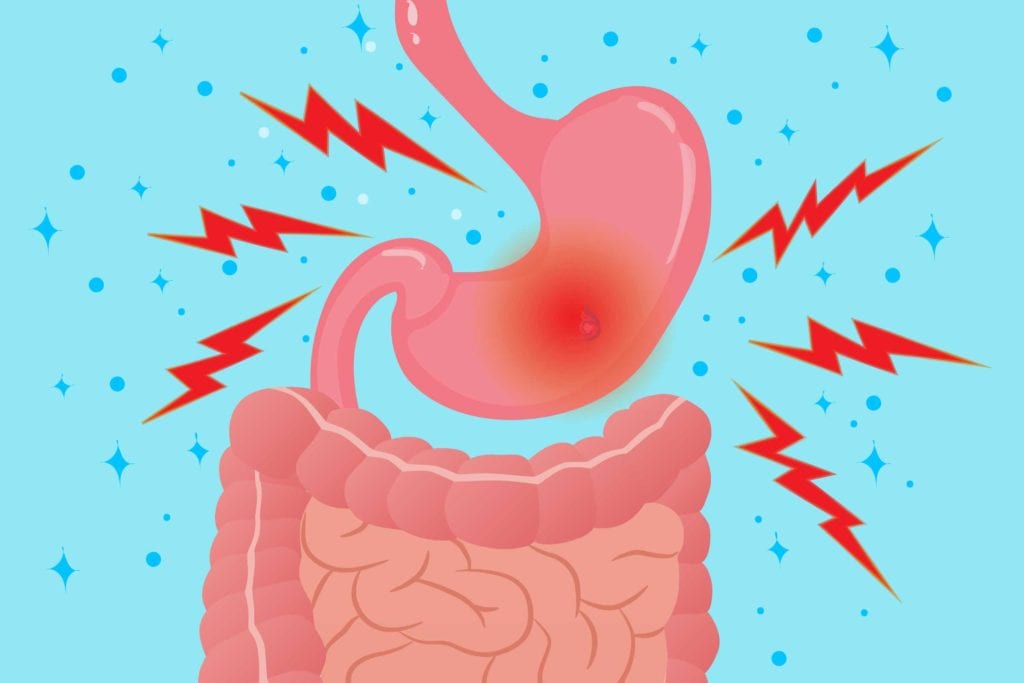
¿Irritación y problemas intestinales? esto te interesa…
No dudes agendar tu sesión de prueba sin costo.
En 2015, un investigador de la Universidad de Carolina del Norte en Chapel Hill revisó 35 estudios sobre el uso de la hipnosis para trastornos gastrointestinales, incluido el síndrome del intestino irritable (SII). La conclusión fue que la investigación muestra inequívocamente que tanto para adultos como para niños con SII, el tratamiento con hipnosis es muy eficaz para reducir los síntomas intestinales y puede ofrecer un alivio duradero y sustancial de los síntomas para una gran proporción de pacientes que no responden adecuadamente a los enfoques de tratamiento médico habituales.
En 2003, investigadores del Hospital Universitario de South Manchester y del Hospital Withington en el Reino Unido estudiaron a 204 pacientes con síndrome del intestino irritable (SII). Observaron que el 71% de los pacientes respondieron a la hipnoterapia y el 81% de ellos mantuvieron su mejoría con el tiempo. La hipnoterapia produjo mejoras en los síntomas del paciente, la calidad de vida, la ansiedad y la cantidad de medicación requerida.
1. Hypnosis Treatment of Gastrointestinal Disorders: A Comprehensive Review of the Empirical Evidence
Abstract
Hypnotherapy has been investigated for 30 years as a treatment for gastrointestinal (GI) disorders. There are presently 35 studies in the published empirical literature, including 17 randomized controlled trials (RCTs) that have assessed clinical outcomes of such treatment. This body of research is reviewed comprehensively in this article. Twenty-four of the studies have tested hypnotherapy for adult irritable bowel syndrome (IBS) and 5 have focused on IBS or abdominal pain in children. All IBS hypnotherapy studies have reported significant improvement in gastrointestinal symptoms, and 7 out of 10 RCTs in adults and all 3 RCTs in pediatric patient samples found superior outcomes for hypnosis compared to control groups. Collectively this body of research shows unequivocally that for both adults and children with IBS, hypnosis treatment is highly efficacious in reducing bowel symptoms and can offer lasting and substantial symptom relief for a large proportion of patients who do not respond adequately to usual medical treatment approaches. For other GI disorders the evidence is more limited, but preliminary indications of therapeutic potential can be seen in the single randomized controlled trials published to date on hypnotherapy for functional dyspepsia, functional chest pain, and ulcerative colitis. Further controlled hypnotherapy trials in those three disorders should be a high priority. The mechanisms underlying the impact of hypnosis on GI problems are still unclear, but findings from a number of studies suggest that they involve both modulation of gut functioning and changes in the brain’s handling of sensory signals from the GI tract.
Am J Clin Hypn. 2015 Oct;58(2):134-58. doi: 10.1080/00029157.2015.1039114
Palsson O., University of North Carolina, Chapel Hill, USA
2. Long Term Benefits of Hypnotherapy for Irritable Bowel Syndrome (IBS)
Results: 71% of patients initially responded to hypnotherapy. Of these, 81% maintained their improvement over time while the majority of the remaining 19% claimed that deterioration of symptoms had only been slight. With respect to symptom scores, all items at follow up were significantly improved on pre-hypnotherapy levels (p<0.001) and showed little change from post-hypnotherapy values. There were no significant differences in the symptom scores between patients assessed at 1, 2, 3, 4, or 5+ years following treatment. Quality of life and anxiety or depression scores were similarly still significantly improved at follow up (p<0.001) but did show some deterioration. Patients also reported a reduction in consultation rates and medication use following the completion of hypnotherapy.